Back

Special applications

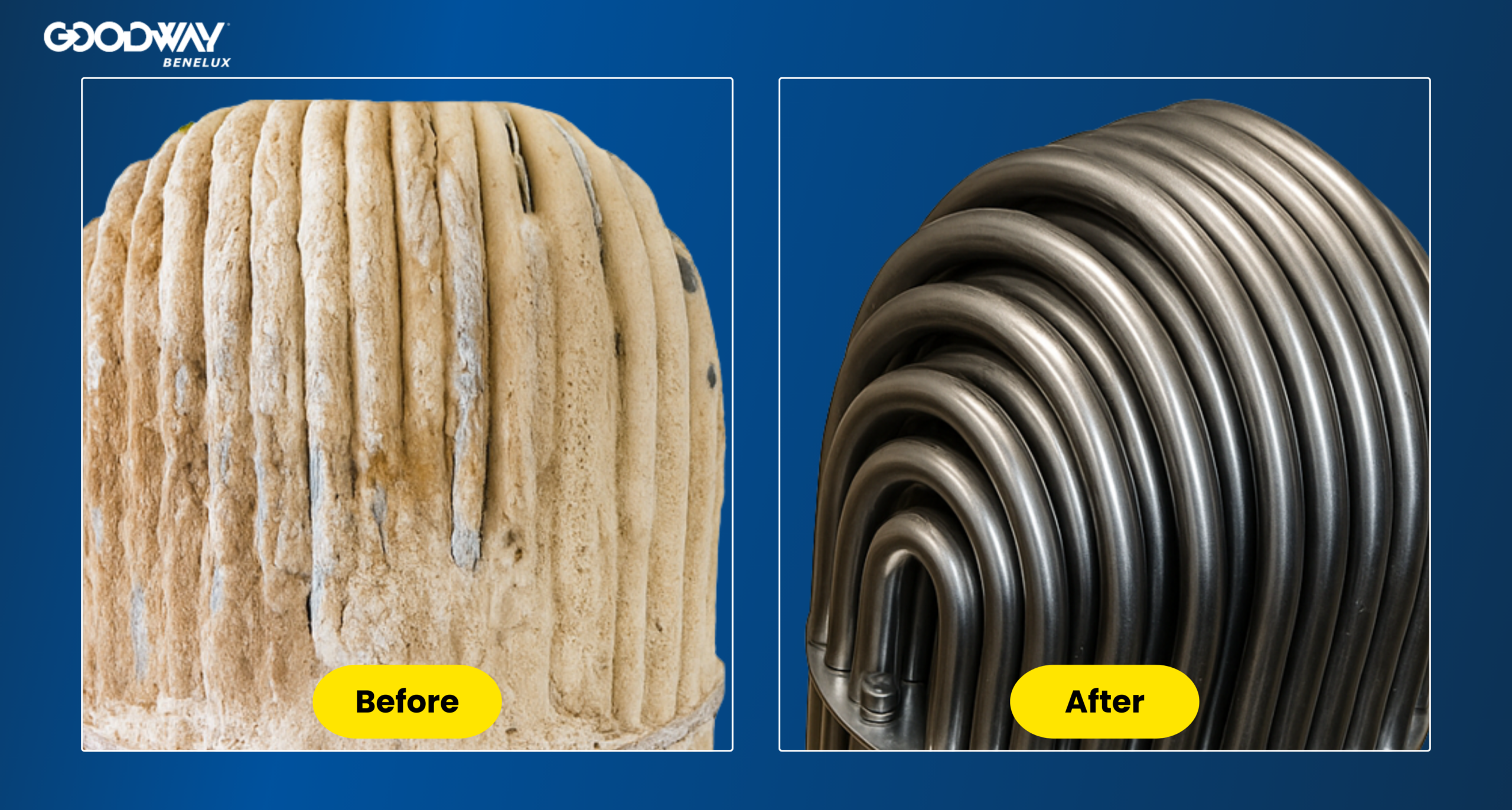
Within the HVAC and industrial markets, various types of equipment fall under what Goodway Benelux classifies as special applications. These systems play critical roles in their respective processes and, over time, can become fouled with deposits such as limescale, scaling, rust, biological growth, and other fouling types. Regular cleaning and maintenance are essential to maintain optimal performance, energy efficiency, and to extend overall equipment lifespan.

Mobile boiler systems

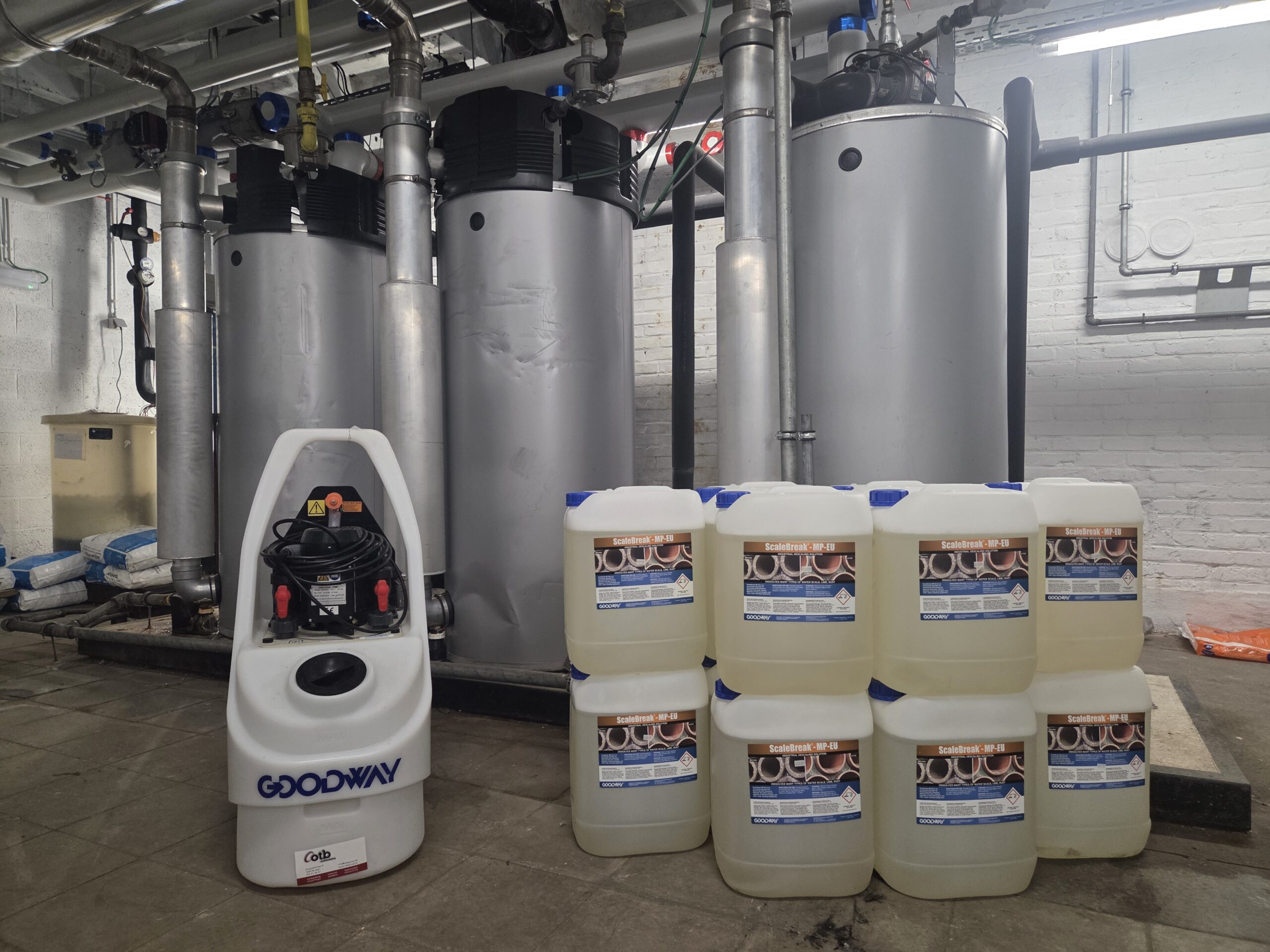
Small to medium‑sized mobile boiler systems are used across many industries and residential environments, providing reliable and efficient heating for various processes or during colder periods. Whenever water is heated, scale accumulation becomes an unavoidable risk, and over time these deposits can significantly impact system performance. While certain preventive measures can help reduce scale formation, regular cleaning and maintenance remain essential to keep mobile boiler systems operating at peak efficiency and to extend overall equipment lifespan.

  • Effects of fouling buildup: As scale, rust, and other mineral deposits build up, they form an insulating layer on heat‑transfer surfaces. Even a thin layer of fouling reduces efficiency, forcing the boiler to work harder to achieve the same output. This leads to higher energy consumption, increased operational costs, and unnecessary mechanical stress on pumps, burners, and other components. If left untreated, fouling can cause hotspots, restricted flow, pressure issues, or even system failure, resulting in costly downtime and emergency repairs.
  • Preventive cleaning and maintenance: Routine cleaning helps prevent these issues by restoring proper heat transfer, stabilizing energy usage, and reducing wear on critical components. By addressing fouling early and consistently, operators maintain reliable performance, avoid unplanned interruptions, and significantly extend the service life of their mobile boiler systems.

Industrial cooling rolls

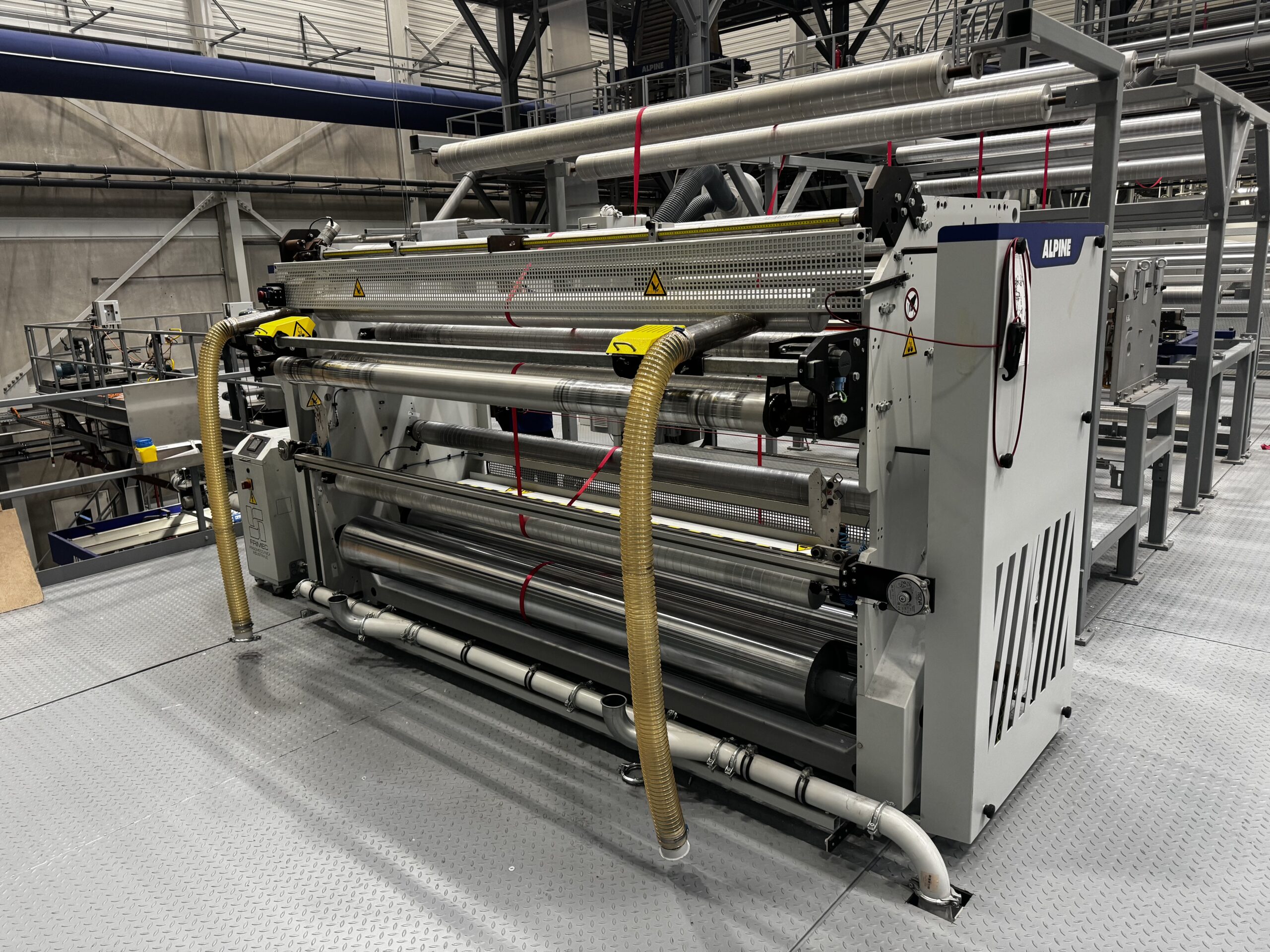
Industrial cooling rolls are vital in many manufacturing processes, ensuring precise temperature control, stable product quality, and consistent production output. Because they operate continuously with water, glycol mixtures, or other cooling media, they are highly prone to fouling. As limescale, mineral deposits, rust, or biological growth accumulate, the roll’s heat‑transfer efficiency declines, directly affecting process stability and equipment performance. Even a thin layer of fouling acts as insulation, forcing the system to work harder to maintain the required temperature.

  • Effects of fouling buildup: If fouling is left untreated, several negative effects can occur: reduced cooling capacity, uneven temperature distribution, premature wear of bearings and seals, and a higher risk of unplanned downtime. In severe cases, deposits can restrict flow inside the roll, causing overheating or complete system failure – both of which can disrupt production and lead to costly repairs.
  • Preventive cleaning and maintenance: Routine chemical cleaning helps prevent these issues by restoring proper heat transfer, stabilizing process temperatures, and reducing operational strain on the system. By maintaining clean internal surfaces, operators ensure consistent product quality, improved energy efficiency, and a significantly longer service life for their industrial cooling rolls.
Box coolers

Box coolers are essential heat‑exchange components in the maritime industry, providing stable and efficient cooling for engines, generators, and other onboard systems. Because they operate continuously in seawater, they are highly prone to fouling from limescale, marine growth, mineral deposits, and corrosion products. As these deposits accumulate on the cooler surfaces, heat‑transfer efficiency declines, directly affecting engine performance, fuel consumption, and overall vessel reliability.

  • Effects of fouling buildup: If fouling is left untreated, several negative effects can occur: reduced cooling capacity, rising engine temperatures, increased fuel usage, and accelerated wear on pumps and associated components. In severe cases, heavy deposits can restrict flow through the cooler, causing overheating, alarms, or even complete system shutdown – leading to costly delays, emergency repairs, and operational risks at sea.
  • Preventive cleaning and maintenance: Routine chemical cleaning is essential to maintain optimal performance. For box coolers, this often involves submerging the entire cooler in a descaler solution, ensuring full contact with all internal and external surfaces. This method restores proper heat transfer, removes stubborn marine and mineral deposits, and prevents localized hotspots. By keeping the cooler clean, operators maintain stable engine temperatures, improve energy efficiency, and significantly extend the service life of their box coolers and related equipment.

Interested in what Goodway Benelux offers for:

Special applications

From pre-sales inquiries to technical support, Goodway Benelux is available to assist customers at every stage. The company also provides on-site support, training, and product demonstrations. Their dedicated sales representatives and project engineers are ready to answer questions and provide guidance throughout the entire process.

Wesley is here to help.

Technical project engineer

info@goodwaybenelux.com+31 (0)183 216 170